

Interior Design Mistakes Homeowners Make and How to Fix Them
Designing or renovating a home may appear simple but achieving a well-planned, elegant and functional living space is far from easy. Whether it is a new house interior design or a home renovation project, expert execution is essential. This is why homeowners often rely on the services of a professional interior designer. An interior designer leads the final phase of a home design or remodelling project. Once the architect’s work is completed, the interior designer steps in to give the home a concept. The interior designer’s responsibility starts with client consultation and space planning and encompasses several factors such as design development, furniture layout, lighting, material selection, finishes and overall project management.
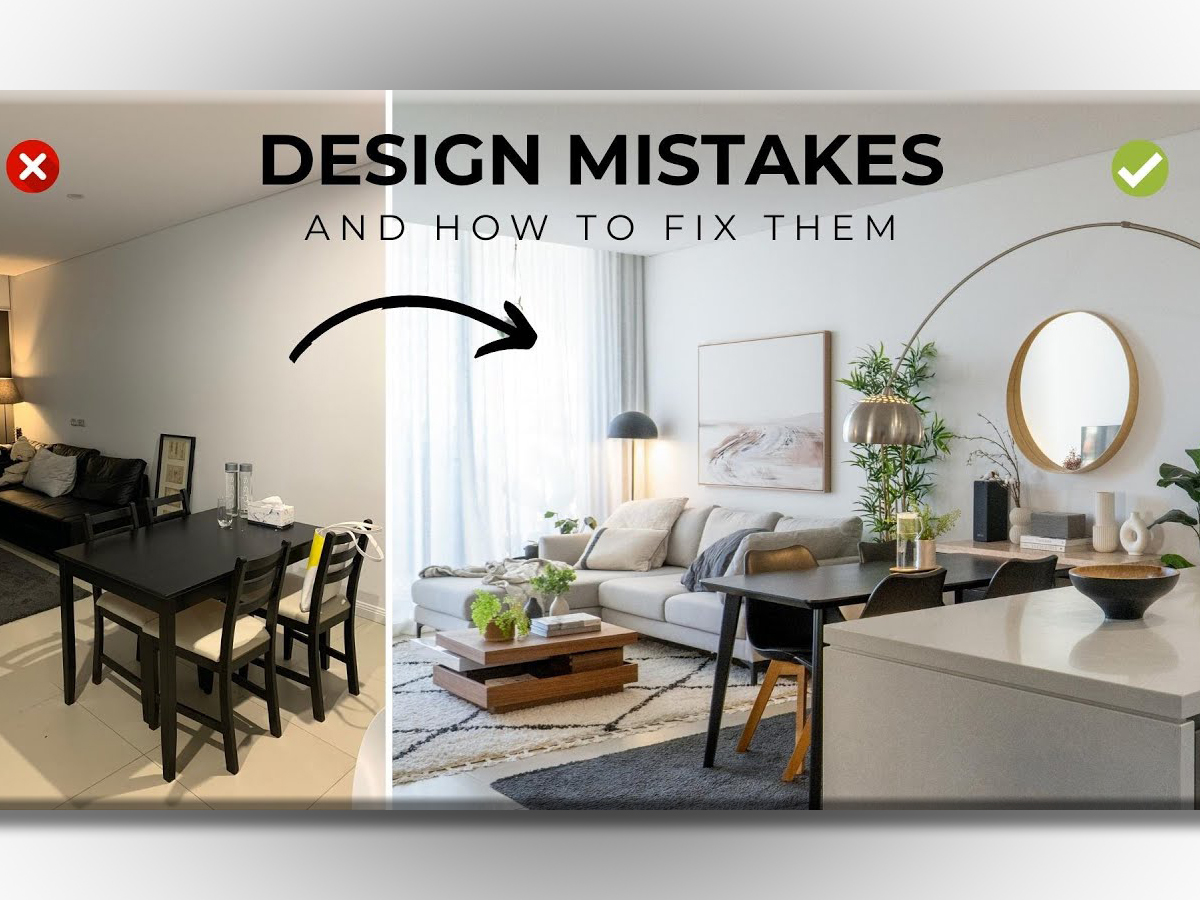
However, many homeowners choose to handle interior design or home renovation without the expertise of an interior designer. For them it is important to follow a structured approach. In this guide, we highlight some of the interior design mistakes homeowners make and how to fix them to successfully complete the design project.
1. Improper space planning for smooth energy flow
Space planning is the process of analysing a room or home interior in relation to its surroundings, location, orientation, user activities and design preferences. Effective space planning determines the final look of the home and its functionality. Proper space planning begins with analysing the room’s dimensions, layout and structural constraints to understand how the available space can be better configured.
Dividing the space into defined zones like reading nook, home office, walk-in wardrobe or pantry—brings clarity and helps maximise space utilisation without compromising movement or comfort. Good space planning also supports the daily and lifestyle activities of the people living in the home. For instance, a booklover may want to dedicate an entire wall for bookshelves, while a luxury-focused homeowner may choose a jacuzzi in the bathroom. Thoughtful space planning in home design ensures easy accessibility, high functionality, spatial flow, easy communication and smooth energy flow.
One of the biggest interior design mistakes homeowners make is ignoring space planning. Simple ways to correct space planning mistakes include checking on the room’s focal point, selecting furniture proportionate to the room size, maintaining 30-to-36-inch clear pathways for easy movement, ensuring smooth traffic flow, creating visual cohesion between rooms, and planning adequate storage spaces from the start.
2. Not using scale or proportion for visual harmony
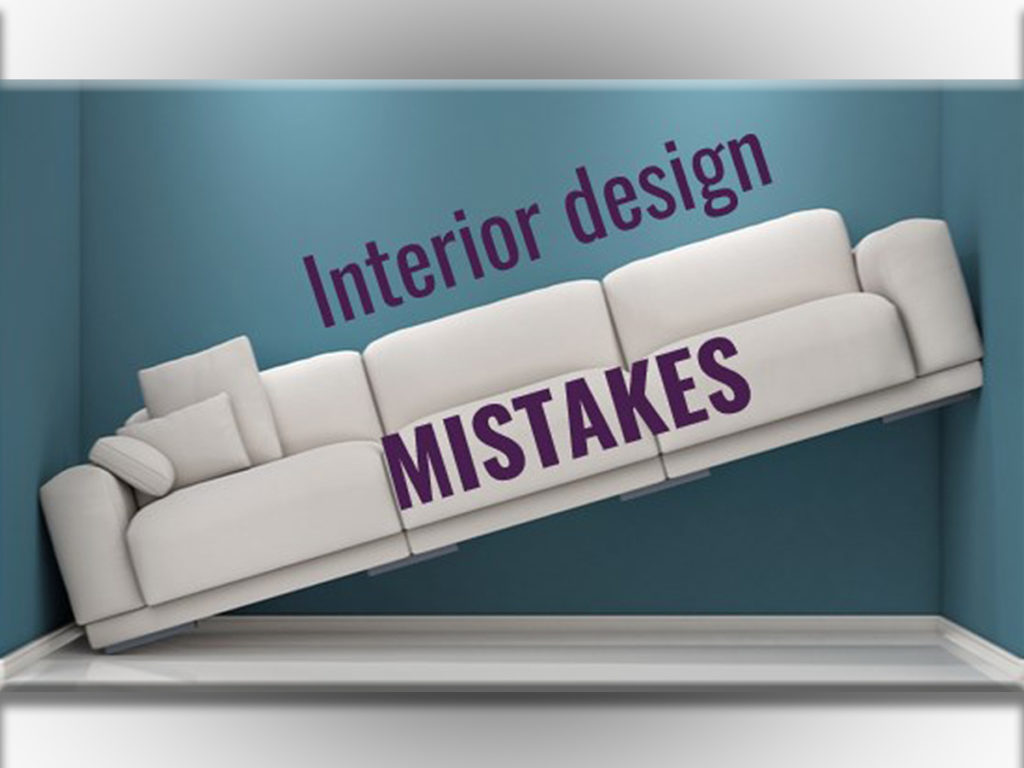
Once the space planning is complete, the next crucial step in interior design is understanding scale or proportion to achieve visual harmony. While scale refers to is the size of the object in relation to the room, proportion describes the inter-relationship between different objects within the same space. Ignoring scale and proportion is a common mistake homeowners make when designing or renovating a home.
When planning home interiors, it is important to consider not just the length and breadth of the room, but also the ceiling height as it significantly influences the choice of furniture, lighting, artwork, indoor plants, and décor accessories. Oversized furniture and décor items in a small room can make the space feel cramped while small furniture and fixtures in a large space can appear disconnected. Scale and proportion matter as they ensure visual balance, create a cohesive look and allow smooth movement in a space.
The key to getting scale and proportion right is to look beyond individual furniture pieces and décor elements and instead evaluate how they collectively impact the space as a whole. Always assess the collective impact of furniture layouts, accessories, and vertical elements to ensure they complement the space rather than compete with it.
3. Overestimating or underestimating the lighting requirement
A poor lighting plan can spoil the ambience of the home, making spaces appear dim, overly bright, visually unbalanced or even dysfunctional. In many homes, lighting is often selected without considering key factors such as room size, ceiling height or purpose of the space. Incorrect placement of light fixtures can lead to unwanted shadows, glare, eye strain, uneven illumination, and poor overall aesthetic.
Another important yet often overlooked lighting aspect is energy-consumption. Using inefficient light fixtures or high wattage lights can increase electricity bills and reduce long-term sustainability, in modern home interiors.
To fix lighting mistakes, start by evaluating the availability of natural light in the space. Large windows, east-facing rooms, glass doors, mirrors and skylights help maximise daylight and reduce dependency on artificial lighting. As for artificial lights, ensure the fixtures are installed at different heights, based on the room size, ceiling height and function of the space. Using the layered lighting technique—a balanced mix of ambient lighting, task lighting, and accent lighting—ensures proper illumination while enhancing the visual appeal of home interiors. Lastly, installing dimmers allows flexibility to adjust the mood of a room for different activities and times of the day.
4. Choosing the wrong colours
Bad colour choices can significantly impact the perception of space and disrupt the overall harmony of the home interiors. Colour is a fundamental element in home interior design and home renovation, influencing not only the visual appearance of the room but also the mood, functionality, and spatial perception. Choosing the wrong colour palette is another common mistake most homeowners make.
The right colour palette in a home can highlight architectural features, add depth and visual interest, impact human emotions, create a cohesive design language across rooms, and enhance the overall aesthetics of the home. Colours can even be used to reflect personal style.
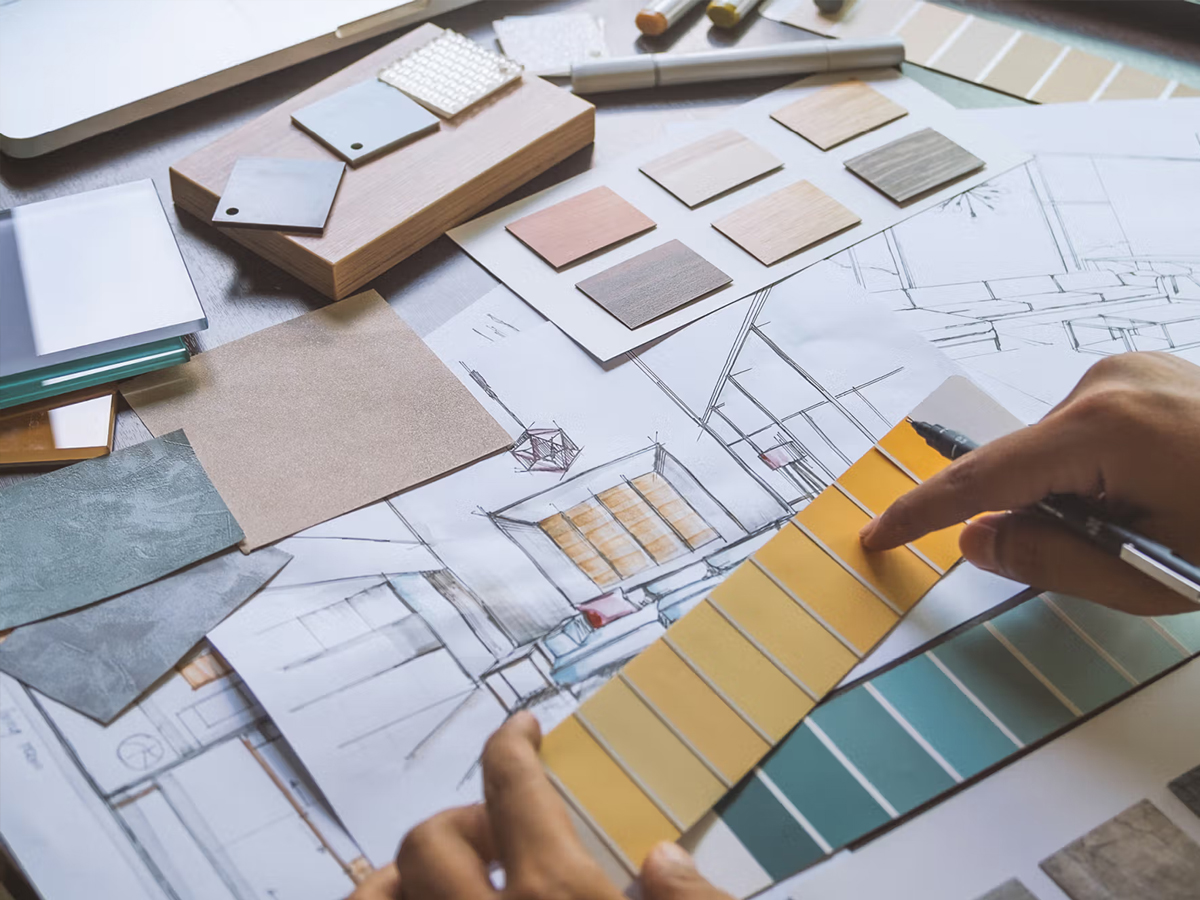
Another mistake in interior design is selecting a colour without considering how it interacts with light, materials and space. A colour can appear dramatically different in natural daylight versus artificial lighting making it essential to test shades at different times of the day before finalising the colour palette. Another important consideration is how colour blends with different surfaces, furnishings, upholstery, curtains, fixtures, finishes and flooring. Finally, be mindful of the functionality of the room and intended mood for the space. Also, when creating a colour palette don’t forget the 60-30-10 rule—60% dominant colour for walls, 30% secondary colour for furniture and furnishings, and 10% accent colour for décor elements.
5. Improper budgeting
Improper budgeting is the most common and costly mistake in interior design and home renovation projects. Improper budgeting can result in delays, unexpected expenses, compromised quality, and in extreme cases, project execution failure. Budget overruns occur when the homeowners have unclear expectations leading to frequent changes and additional work. More labour workhours, last-minute design modifications, hidden costs, extra transportation charges and unforeseen material wastage can disrupt the budget.
A realistic home design or renovation budget must factor in design fees, materials, labour, furniture, lighting, accessories along with a 10-15% as contingency cost. Detailed cost break-ups help track and control expenses. Proper budgeting not only prevents financial stress but also allows homeowners to prioritise spending.
There are also other common interior design mistakes like: –
- Mis-matched materials
- Unable to personalise correctly with art and artefacts
- Following unnecessary trends
- Not giving bathrooms enough attention
- No thought given to outdoor spaces
- Not maximising full potential and functionality of each room
So, if you are designing or refurbishing a home for the first time, being mindful of these common interior design mistakes can save you time, money and effort. Now that you understand the frequent interior planning errors—from space and scale planning to lighting, colour choices and budgeting—and know how to fix these mistakes, you can move ahead with executing a better design for your home.