

What are the Steps to Remodelling a House?
While home renovation in 2025 is all about maximalist decor, indoor wellness, colour-drenched rooms, multi-functional spaces, indoor-outdoor living, pattern mixing, cohesive technology, adaptive sustainability, and sensorial interiors, home remodelling is much more. Home remodelling may include changing the layout or structure, renovating the exterior and interiors, adding or extending a room, installing new plumbing, electricals, HVAC systems, etc. It is time-consuming and costlier than home renovation as it not only refreshes the space but completely transforms it. Home remodelling can even alter the functionality or design of an area. So, before you begin the process, it is necessary to know how to remodel a house like a pro and what are the steps to remodelling a house.
https://www.nppartners.net/2026/03/13/maximalism-wellness-colour-drenched-rooms-multi-functional-spaces-integrated-outdoor-living-pattern-mixing-cohesive-technology-adaptive-reuse-and-multi-sensory-experiences-incorporating-textur/
How to plan a home remodel
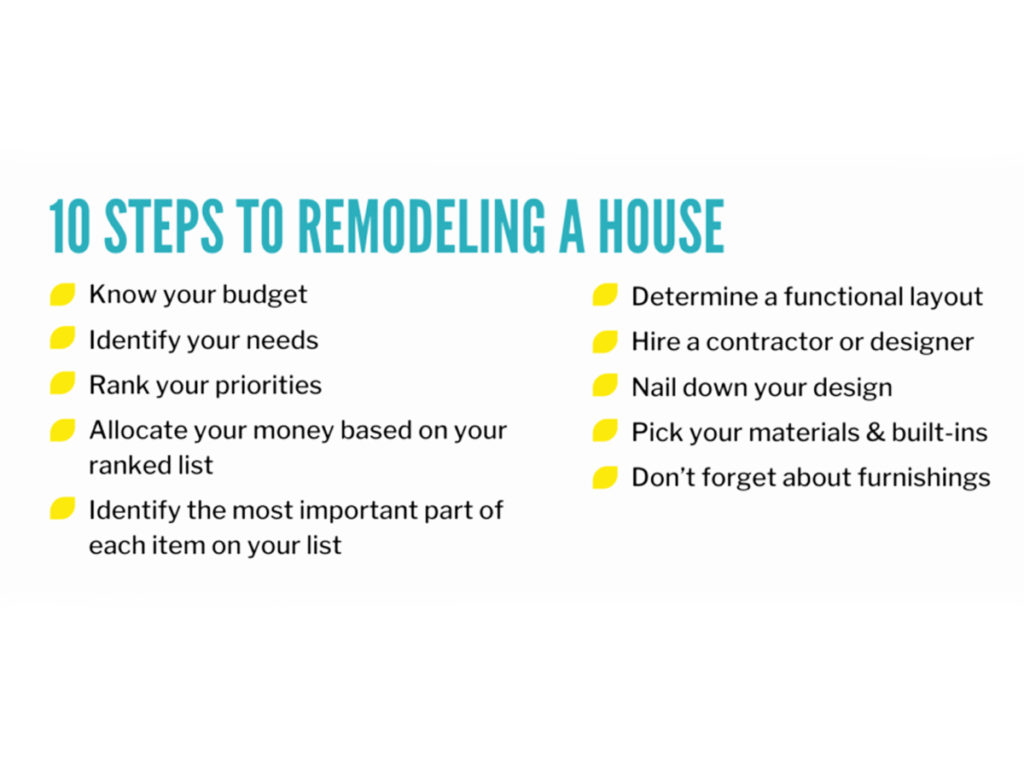
Remodelling a house is a huge task but with our simple tips for home remodelling, you can complete the job flawlessly and on time. Here are ten steps to get you started in remodelling your dream house.
1. Establish the end goal
The first step involves understanding the need to remodel, the areas that require remodelling, and visualising how you want your home to look and function. Understand which rooms you spend the most time in and how you can add value to them. For example, do you require more storage space in your kitchen, do you need a separate area for a gym, or do you want to modernise the bathroom? Once the goal is clear, is it easy to follow the process.
2. Plan a remodel
Firstly, are you planning to remodel the entire house or just the kitchen or bathroom? Consider every aspect, like flooring, plumbing, painting, appliances, furniture, etc., while planning a remodel. Also, check whether you and your family can continue to live on the premises or need to move out during the remodel.
3. Hire a design firm or contractor
Since home remodelling can be overwhelming, it is better to consult a professional interior designer. Once you set the end goal, engage with two or three interior designers or contractors who are professionals at home remodelling. Discuss your complete requirements, inspirations, and the desired outcome. Get 3D design samples before you appoint the best interior designer to handle the job.
4. Budget the remodel
Next, get a quotation or estimate from the interior design firm with payment schedules. It will help determine your overall budget and how many tranches you need to finance the project. Also, get a clear idea of the work to complete at each stage before paying out the next instalment. Since remodelling is more expensive and time-consuming than renovating a house, pay attention to detail while budgeting for every aspect. Luxury designs and upgrading tech can be expensive.
5. Set a timeline
Most home remodelling assignments take 6 to 18 months, so carefully choose a desired start date. Consult with your interior design firm or contractor to determine the time lines to import decorative lights, or order customised hand-painted tiles, or shift a wall, etc. Also, check rules and regulations if you are remodelling an apartment in a residential building. For instance, many societies do not allow noisy remodelling work between 2 pm and 4 pm or after 7 pm. So, schedule the tasks accordingly.
6. Follow the correct order
Every home remodel has to prioritise tasks. For instance, begin with decluttering and moving items into storage. Then, dismantle or break down any existing walls, tiles, bathroom fittings, or kitchen cabinets that need to go. Next, proceed with the structural work, like fixing the foundation or repairing cracks in the wall. Install new tiles and hardware like doors, windows, and grills. Complete the plumbing, electrical, and HVAC jobs before painting the interiors or exteriors. Follow through with installing new cabinetry or appliances, keeping the finishing touches for last.
7. Be prepared for contingencies
When remodelling a home, always be prepared for any delays caused by unexpected issues. For example, wrong measurements may warrant returning a particular item, some material can be out of stock, or the client may not like the design onsite. Hidden structural issues may also cause unforeseen problems. However, be prepared for last-minute contingencies that can affect smooth workflow, disturb the timeline, and increase the budget.
8. Pay attention to material selection
At every stage in the remodel, involve yourself in selecting and confirming the materials of your choice. Since the remodelling cost largely depends on the quality of the material and brand preference, it can directly affect your budget. Opt for quality tried and tested materials and established brands for long term use.
9. Inspect thoroughly
The next step is to inspect the home. A homeowner can undertake the inspection or have a home inspection company examine the work. Most home inspection companies undertake pre and post-remodel inspections. They do a thorough check of ceilings, walls, floors, plumbing, electrical fittings, doors, windows, furniture, and appliances.
10. Final handover
Once the work is completed, the homeowner can occupy the home. Most homeowners in India prefer to call a priest to perform a puja before shifting into their newly remodelled home. Also, since home remodelling changes the overall look and feel of the home, homeowners invite close family and friends to partake in the puja and show them their upgraded property.
A home remodel project involves cosmetic and structural changes that require specialty expertise. Since it is detailed, time-consuming, and costly, hire the best interior designer in India to remodel your home. Furthermore, as most interior design firms have in-depth knowledge of the steps to remodelling a house, you can be assured of a smooth, hassle-free experience.