

A lesson: How to Mix Fabric Patterns in a Room
Patterns create warmth, depth, and balance in any space. Depending on the style, interior designers introduce patterns in different rooms to add visual interest and personality to a home. While the right fabric patterns create dynamic spaces, the wrong mix of patterns can make a room feel overwhelming. Thus, it is vital to know how to mix fabric patterns in a room. From the size to colour, materials to texture, and surface finishes to durability, there is plenty to consider when selecting fabrics for your home interiors. Here are some simple rules to guide you in selecting the best fabric patterns for a luxurious home: –
1. Determine the intended use
First and foremost, ascertain the intention behind introducing the pattern. Whether to choose a small or bold pattern, subtle or loud pattern will entirely depend on the reason to decorate with patterns. Fabric patterns can express personality, anchor a room, impact scale, define surfaces, hide stains, boost neutrals, and convey a design style.
2. Choose the style and theme
Different styles of interior design, like Traditional, Scandinavian, Bohemian, or Art Deco, can influence the fabric pattern. Also, themes like floral, rustic, and Mediterranean can determine the fabric patterns. You can either have a single theme or mix two themes to create a distinct look. Usually, geometric patterns are easy to work with when mixing two themes. To create unusual combinations, run a quick test with fabric swabs.
3. Pay attention to the colour palette
Especially when you are mixing patterns, the colours should be harmonious. While light-coloured prints make the room look larger, darker prints exude a dramatic look that feels more intimate. Start by placing your favourite colours at the heart of the design scheme and then vary the intensity of the shade across the room. Don’t use more than two or three main colours in the print as colours define the space, set the mood and inspire the vibe of the room.
www.nppartners.net/2026/03/13/what-colours-make-a-small-room-look-bigger/
4. Check for other patterns in the room
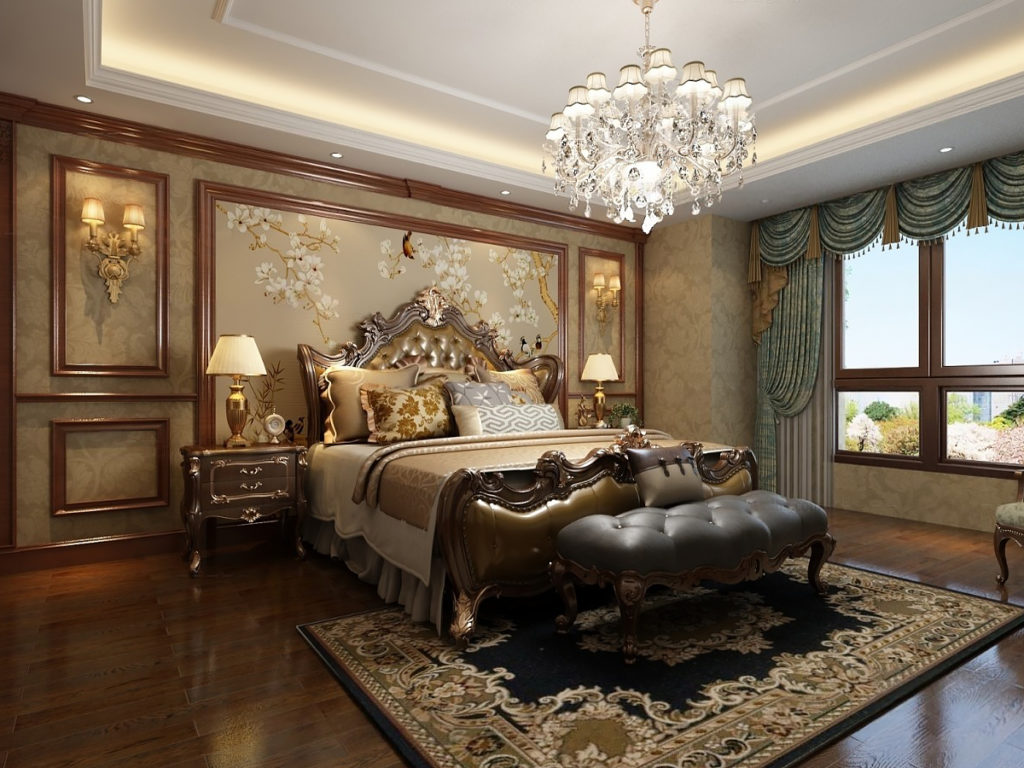
The use of floral, geometric, stripes, paisley, abstract, and other fabric patterns may depend on designs in tiles, mouldings, furniture, etc. When introducing new fabric patterns, make sure they blend with existing patterns to create a seamless look. Also, don’t place a large-scale fabric pattern over an existing large pattern, as they will both vie for attention, making the room look awfully confusing. Also, if your current designs have curves, opt for stripes to break the monotony.
5. Mix different scales of pattern
Small, medium, and large patterns together create balance across the room. Start by focusing on the largest pattern to draw your eye to the design, and then surround the rest of the room with medium and small patterns. While introducing scale in pattern, stick to a similar colour palette. You can even break up patterns using a colour block. It gives the eye a rest, helps to focus on the pattern and improves the overall aesthetics of the room.
6. Combine textures
Patterns in multiple textures, like cotton, silk, linen, or velvet, can be used in curtains, rugs, sofa covers, and cushions to create a sophisticated look. Textures even influence the tactile surface of an object by interacting with colours, light, and space. Along with fabric prints, rough, smooth, soft, hard, glossy, and matt textures influence physical feel and visual interest of a space.
7. Place patterns on right surfaces
Fabric patterns are so versatile that they can be used on sofas, chairs, cushions, curtains, tablecloths, beddings, wall panels, etc. It is how they are placed together or mixed that help to highlight the space. For example, a large pattern may appear out of place on a cushion cover but looks phenomenal on a large sectional couch, a statement rug, or an accent wall. Also, large overpowering patterns in small rooms may make the room appear smaller.
8. Create balance
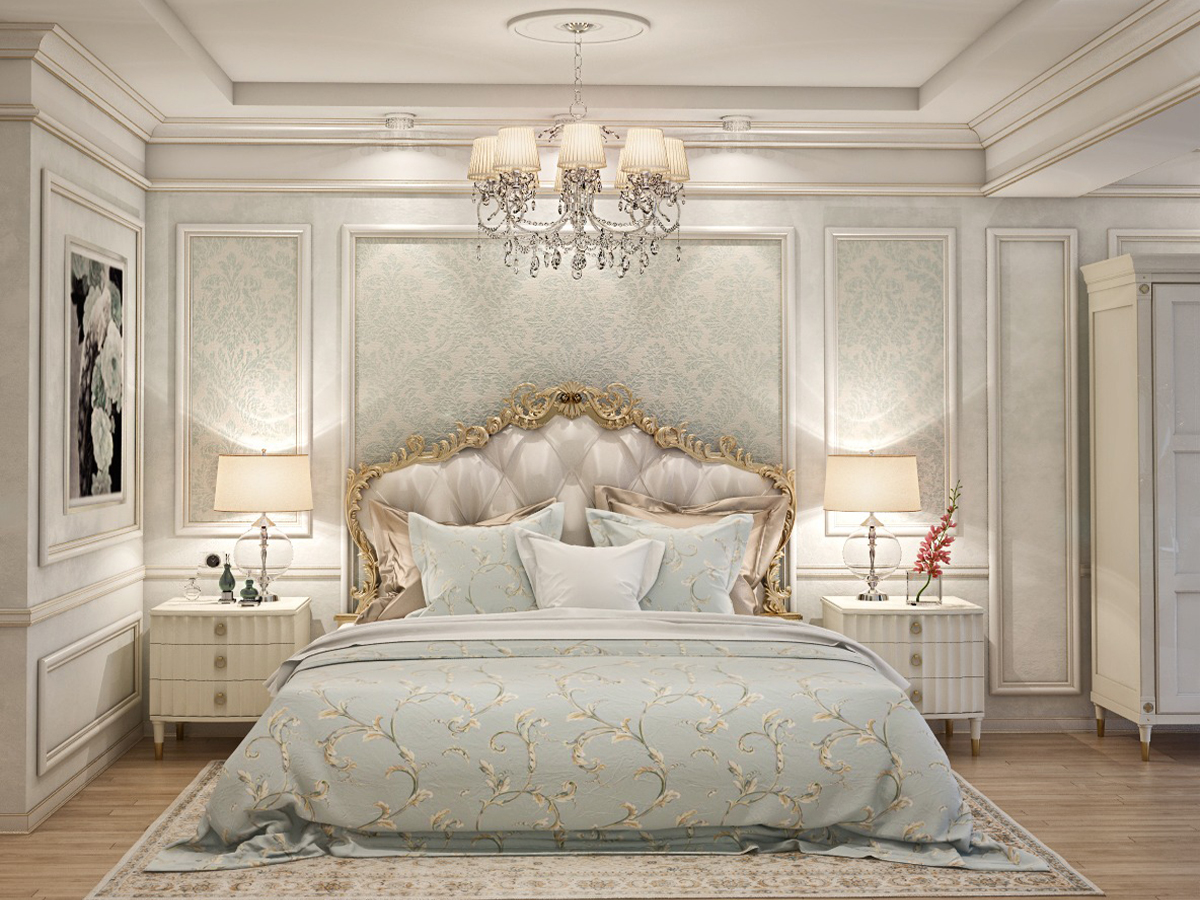
When mixing fabric patterns in a room, distribute them evenly so the room feels neither cluttered nor scattered. Repeat patterns to create a feeling of symmetry. Since complex patterns also affect the balance in a small room, try to mix them with opposites, e.g. paisley with dots, gingham checks with jumbo florals, or solids with geometric motifs. Visual balance creates an overall pleasing interior design.
9. Begin with the larger area
It is best to begin incorporating prints in larger areas like the floors. You can start with a patterned carpets, rugs or tiles. Since, floors add immediate impact when you walk into a room, start with them and then move on to other larger areas like covering a wall with silk fabric or getting floor length curtains on windows and doors. Last, add patterns to the smaller items like ottomans, stools or cushions.
10. Edit till perfect
Prints can be difficult to work with if you are decorating for the first time. So, begin with getting several samples and placing them on different surfaces to understand what works. Also, check the swatches in daytime and night under natural and artificial lights to understand how they look in different lighting. If you are a first time home designer edit till you achieve the perfect look. Otherwise, work with a top interior design firm who knows how to mix fabric patterns in a room perfectly.
Home décor fabrics come in various types, textures, designs and patterns. They elevate design, express individuality and enhance functionality. Bold colours and patterns have dominated home décor trends 2025. So, now that you know how to mix fabric patterns in a room, it is time to enhance the visual appeal of your home with patterned home decor fabrics. Go bold, go beautiful!