

Interior Landscaping: Bringing Micro-Forests inside Urban Homes
Interior Landscaping is the art of designing, installing and maintaining living plants and biophilic elements within indoor environments. Commonly referred to as biophilic design, interiorscaping or plantscaping, interior landscaping focuses on bringing micro-forests inside urban homes. In recent years, it has become an essential component of modern interior design, integrating indoor plants, water features and natural elements into residential spaces. In fast-growing urban cities, where horizontal space is limited, interior landscaping can transform any big or small apartment into an aesthetic and healthy space.
Essential elements of interior landscaping
There are seven essential elements of interior landscaping – proportion, shape, texture, colour, placement, definition and price practicality. Each of these design principles plays a crucial role in creating nature-inspired homes. When applied correctly, these elements help achieve harmony between plants and the surrounding interiors, making interior landscaping both aesthetic and purposeful.
- Proportion
- Shape
- Texture
- Colour
- Placement
- Definition
- Price and Practicality
A step-by-step guide to designing indoor green spaces
Interior landscaping is the art of integrating indoor plants into home interiors to enhance aesthetics, improve air quality and create a calming living environment. This design approach blends nature with architecture to transform ordinary spaces into refreshing green sanctuaries.
Below is a complete guide explaining the key steps involved in interior landscaping for homes—from planning and plant selection to installation and long-term maintenance.
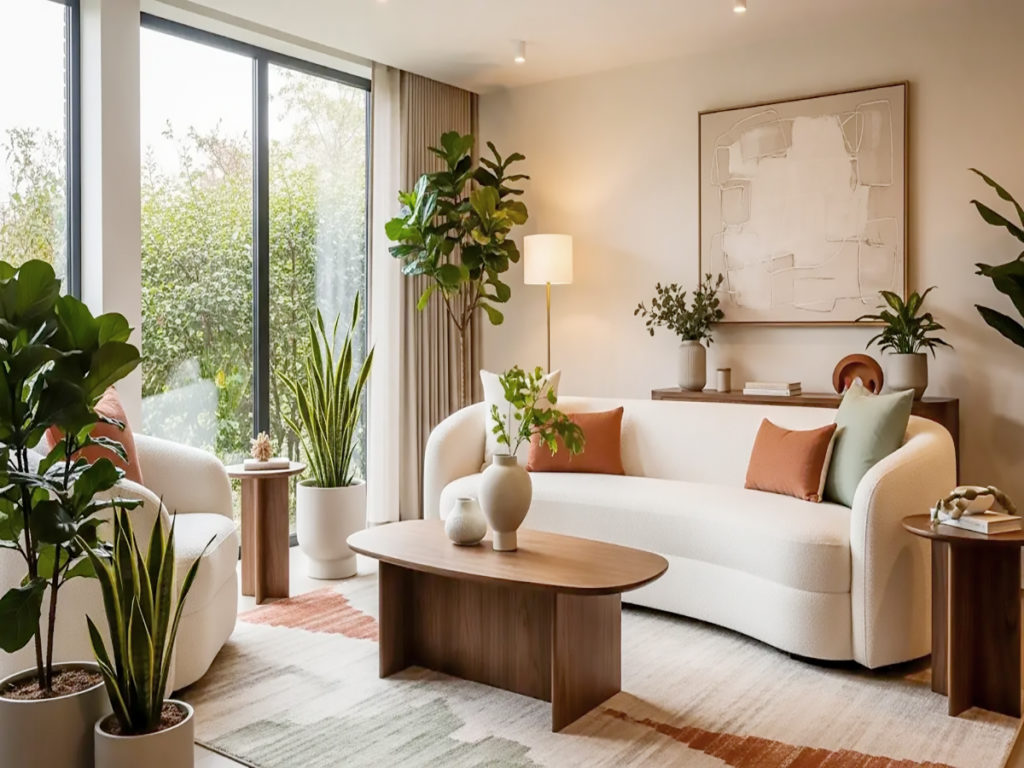
1. Evaluate the indoor space for interior landscaping
The first step in interior landscaping design is to identify and assess areas suitable for indoor plants. Analyse the space based on natural sunlight, temperature variations, humidity levels, airflow, foot traffic, ceiling height and available floor area. Proper evaluation ensures the right plant selection and placement. Strategically placed indoor plants can define zones, soften hard architectural lines, improve spatial flow and create visual interest within the home.
2. Define the purpose and budget for indoor plants
Understanding the purpose of interior landscaping is crucial. Whether the goal is to enhance visual appeal, create a cosy indoor nook, reduce stress or improve indoor air quality, the plant selection will vary accordingly. Budget also plays an important role, as different plant varieties, planters and design elements come at varying price points. A well-planned interior landscape mimics natural environments while adding elegance, balance and character to interior spaces.
3. Enhance interior landscaping with the right accessories
Accessories significantly influence the overall plantscaping outcome. Choosing the right planters, pots, liners and drainage systems helps protect floors and ensures plant health. Design elements such as indoor water features, sculptures, pebbles or decorative lighting can further enhance the interior landscaping concept and align it with the home’s design theme.
4. Install indoor plants with proper design principles
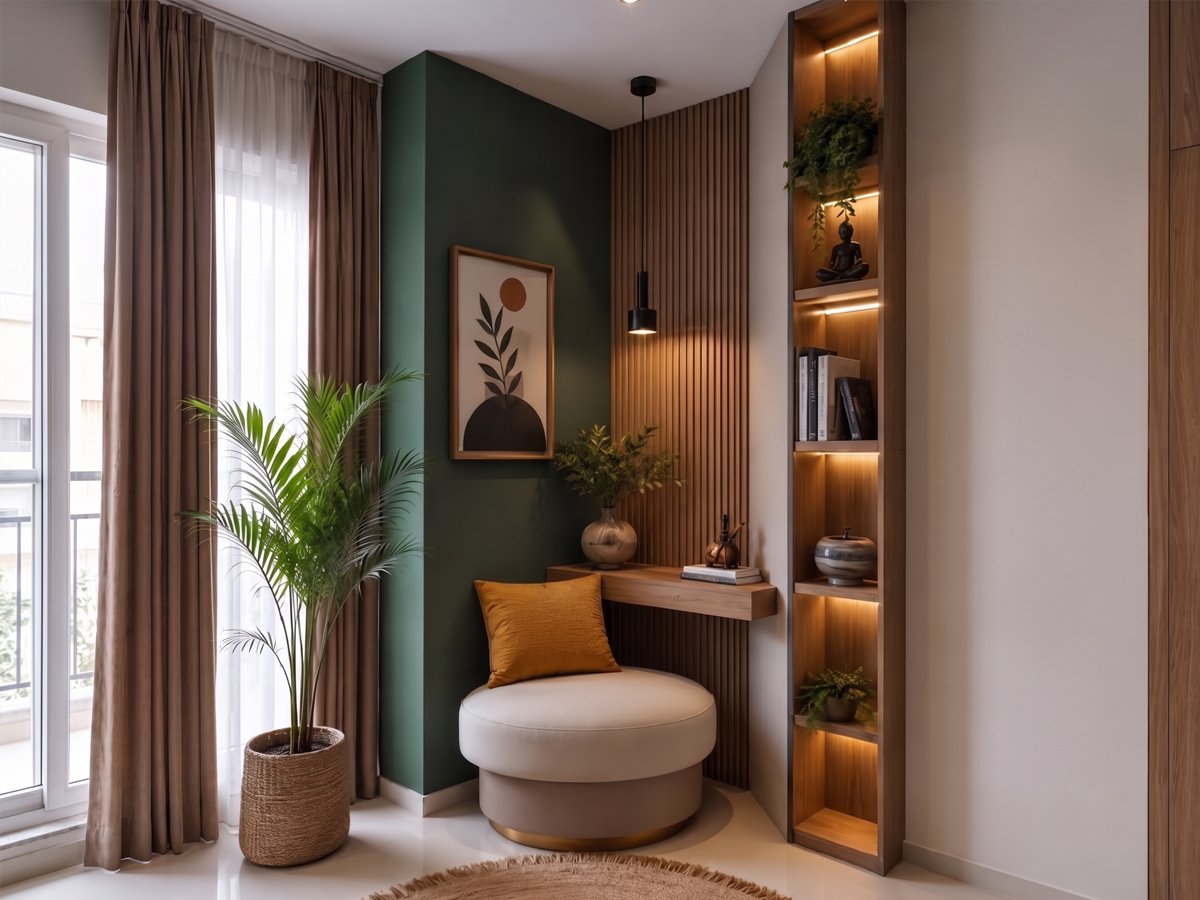
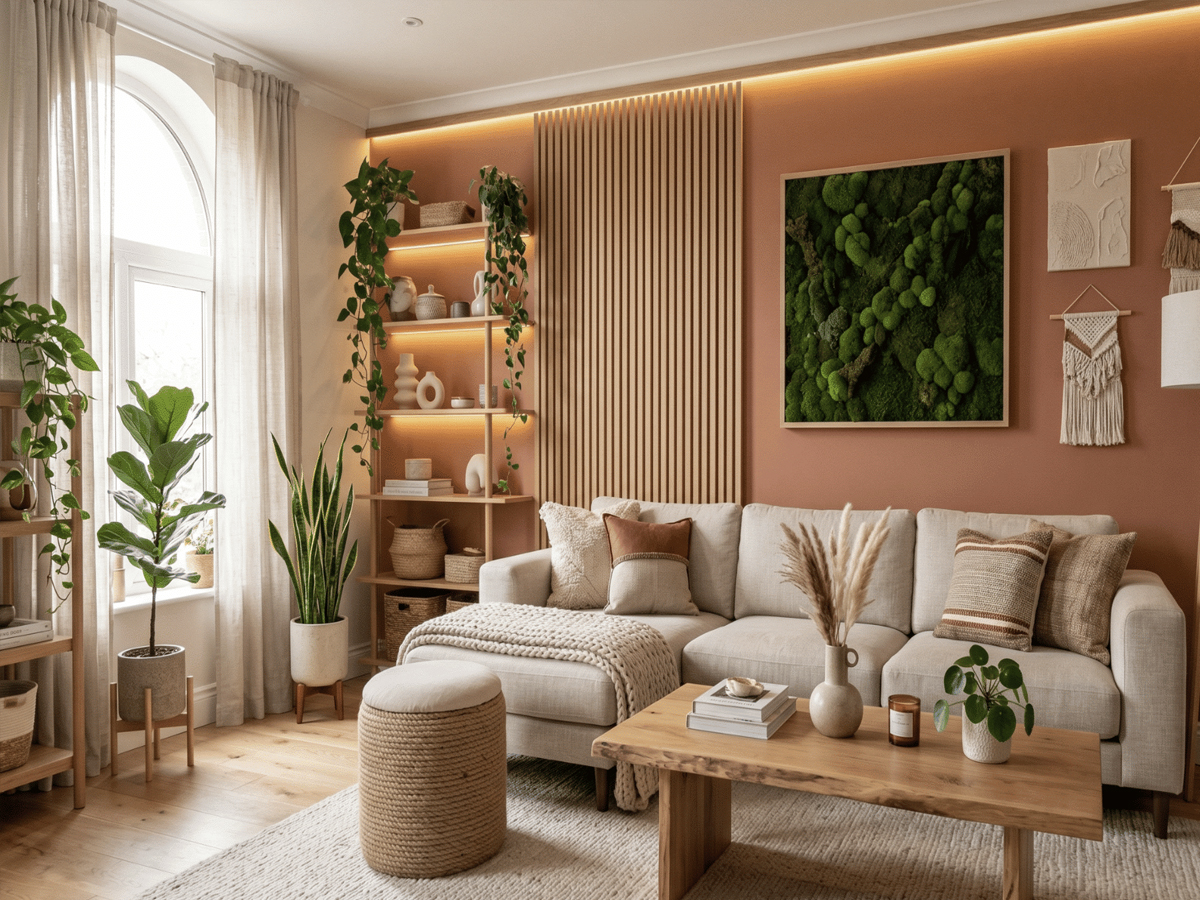
Once the design plan and materials are finalised, on-site installation begins. Indoor plants should be placed keeping proportion, balance, colour harmony, texture, repetition and focal points in mind. Mixing plant heights and leaf textures, introducing vertical gardens, green walls or hanging planters, and using natural materials can add depth and drama to interior spaces while maintaining functionality.
5. Plan long-term maintenance for interior landscaping
Maintenance is essential for the longevity of indoor plants. Regular watering, pruning, fertilising and pest control are required to keep plants healthy and vibrant. Hiring professional interior landscaping maintenance services ensures that the plants remain lush and visually appealing throughout the year, regardless of seasonal or environmental changes.
Benefits for interior landscaping and bringing micro-forests inside urban homes
Interior landscaping offers far more than visual enhancement. Below are the key benefits of interior landscaping that make it an essential element of modern interior design in urban homes.
- Adds aesthetic appeal
- Boosts mental well-being
- Reduces stress
- Increases productivity
- Improves air quality
- Decreases noise levels
- Raises property value
Conclusion
Interior landscaping is redefining the way urban homes connect with nature. By bringing micro-forests indoors, interior landscaping transforms compact city spaces into breathable, calming and visually rich environments. More than a decorative trend, interior landscaping for urban homes supports healthier living, sustainability and improved well-being. When designed thoughtfully, interior landscaping blends indoor plants seamlessly with architectural layouts, creating homes that are not only functional and modern but also deeply connected to nature. As cities grow denser, interior landscaping offers a powerful solution—turning everyday interiors into green sanctuaries that mimic natural micro-forests, allowing homeowners to experience nature within the comfort of their urban homes